







In a world where plastic straws are more common than actual straws, embracing sustainable living might feel like an uphill battle. But fear not! With a sprinkle of humor and a dash of practicality, adopting eco-friendly habits can be both fun and rewarding. Imagine swapping your single-use plastic for reusable goodies while saving the planet—and probably some cash too.
Overview of Sustainable Living
Sustainable living focuses on reducing one’s environmental impact while enhancing quality of life. This approach encourages individuals to adopt habits that conserve resources and minimize waste. Engaging in sustainable practices promotes a healthier planet and often leads to economic savings.
Individuals can start by reducing single-use plastics. Transitioning to reusable bags, containers, and utensils lowers plastic consumption significantly. Many people enjoy the benefits of investing in quality products that last longer and perform better. Opting for locally sourced food supports local economies and reduces transportation emissions.
Energy efficiency plays a crucial role in sustainable living. Using LED light bulbs and energy-efficient appliances can lower utility bills while decreasing carbon footprints. Adjustments like unplugging devices when not in use or utilizing smart home technology contribute to energy conservation.
Water conservation also stands as a vital aspect. Simple changes, such as fixing leaks, using water-saving fixtures, and collecting rainwater, enhance water efficiency. Gardeners can implement sustainable practices like xeriscaping to minimize water usage while maintaining an attractive yard.
Moreover, adopting a plant-based diet benefits both health and the environment. It reduces the carbon emissions associated with animal agriculture. Individuals can start by incorporating more fruits, vegetables, and whole grains into their meals to foster this change.
Shopping sustainably promotes eco-friendly products. Choosing items from brands that prioritize sustainable practices supports environmentally responsible businesses. This approach not only helps the planet but also encourages others to follow suit.
Implementing these sustainable living tips fosters a collective effort toward a more sustainable future. By making conscious choices about consumption, individuals contribute to a healthier environment for future generations.
Essential Sustainable Living Tips
Embracing sustainable living involves practical steps everyone can take to reduce their impact on the environment. These tips encourage a more eco-friendly lifestyle that benefits both individuals and the planet.
Reduce, Reuse, Recycle
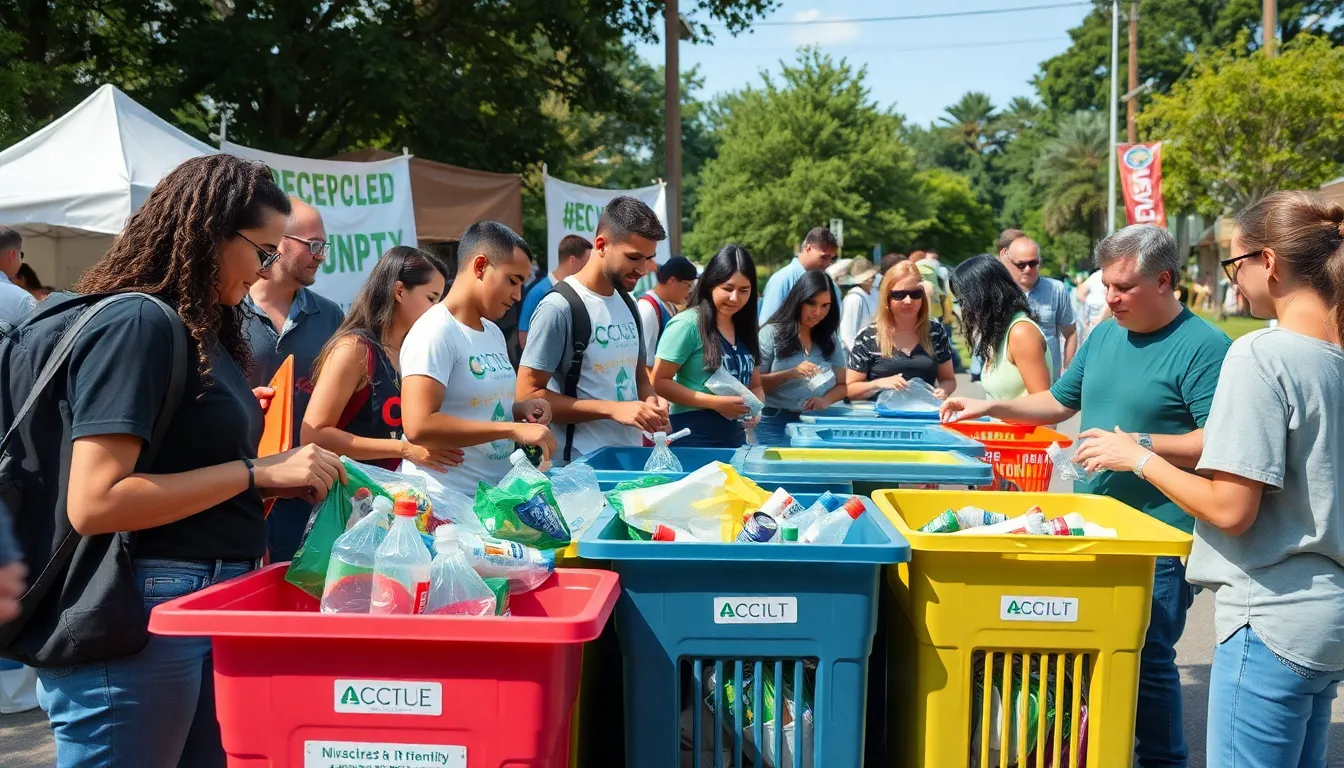
Reducing waste starts with conscious consumption. Opt for products with minimal packaging. Reusing items extends their life cycle, so consider repurposing jars or containers. Recycling plays a critical role in diverting waste from landfills. Look for local recycling programs that accept various materials, including glass, plastic, and paper. Education on proper recycling practices further enhances these efforts, ensuring that recyclable items aren’t mistakenly disposed of as trash.
Energy Efficiency Practices
Enhancing energy efficiency contributes to lower electricity bills and a reduced carbon footprint. Switching to LED light bulbs consumes up to 80% less energy than traditional bulbs. Using energy-efficient appliances decreases overall consumption. Regular maintenance of heating and cooling systems ensures optimal performance, and setting thermostats a few degrees lower in winter and higher in summer can lead to substantial savings. Incorporating smart home technology automates energy use, making it easier to monitor and adjust consumption.
Sustainable Eating Habits
Choosing a plant-based diet significantly lowers carbon emissions. Incorporating more fruits, vegetables, and grains into meals supports this shift. Buying local and seasonal produce reduces transportation-related emissions, benefiting both the environment and local economies. Planning meals minimizes food waste by ensuring ingredients are used before they spoil. Additionally, considering sustainable seafood options promotes responsible fishing practices and aids in preserving aquatic ecosystems.
Eco-Friendly Products to Consider
Embracing eco-friendly products significantly contributes to sustainable living. Individuals can make impactful choices by opting for alternatives that reduce waste and environmental harm.
Reusable Household Items
Choosing reusable household items represents a crucial step toward sustainability. Reusable bags, containers, and utensils reduce reliance on single-use plastics. Stainless steel water bottles offer durability and minimize plastic waste. Cloth napkins replace paper options, and beeswax wraps serve as an eco-friendly substitute for plastic wrap. Environmental footprints shrink further when families opt for compostable trash bags. Shopping for these items enhances both sustainability efforts and household savings.
Organic and Local Produce
Selecting organic and local produce supports both personal health and environmental conservation. Organic farming practices limit harmful pesticides, promoting soil health while protecting ecosystems. Local farmers’ markets not only provide fresher options but also reduce transportation emissions. Supporting local agriculture strengthens community ties and boosts the economy. Seasonal fruits and vegetables not only provide nutritional benefits but also encourage a diverse diet. Prioritizing organic and local produce directly aligns with sustainable living goals.
The Impact of Sustainable Living
Sustainable living offers significant advantages for the environment and economy. By adopting eco-friendly practices, individuals can contribute positively to both their surroundings and financial well-being.
Environmental Benefits
One major advantage of sustainable living lies in its positive effects on the environment. Reducing reliance on single-use plastics decreases pollution in oceans and landfills. Transitioning to energy-efficient appliances lowers carbon emissions, helping combat climate change. Choosing a plant-based diet significantly reduces water consumption and greenhouse gas emissions associated with livestock production. Engaging in water conservation measures, such as fixing leaks and using efficient fixtures, protects aquatic ecosystems. Supporting local and organic products enhances biodiversity and promotes soil health.
Economic Advantages
Sustainable practices often lead to long-term financial savings. Using reusable bags, containers, and utensils decreases the need for single-use items, resulting in reduced spending over time. Energy-efficient appliances lower electricity bills, benefiting household budgets. Embracing a plant-based diet can lead to reduced grocery costs, especially when focusing on seasonal and local produce. In addition, investing in eco-friendly products may often yield higher durability, reducing the frequency of replacements. Supporting environmentally responsible brands not only promotes sustainability but also drives economic growth within local communities.
Challenges in Adopting Sustainable Living
Adopting sustainable living presents various challenges that individuals encounter. Some of these barriers deter commitment to eco-friendly practices.
Common Obstacles
High costs associated with sustainable products can prevent many from making the switch. Limited access to local, organic food options creates further hurdles. Time constraints hinder efforts to integrate sustainable habits into busy lifestyles. Information overload often leaves individuals confused about which practices to prioritize. Finally, social norms may discourage individuals from embracing eco-friendly changes, especially when alternatives are more widely accepted.
Strategies for Overcoming Challenges
Educating oneself about the benefits of sustainable living can inspire commitment. Setting realistic goals allows for gradual integration of eco-friendly practices into daily life. Seeking community support fosters encouragement and provides shared resources. Exploring cost-effective alternatives often reveals affordable solutions to sustainability. Additionally, engaging in local initiatives raises awareness and creates a network of like-minded individuals, enhancing the likelihood of success in adopting sustainable living.
Embracing sustainable living is a journey that benefits both individuals and the planet. By adopting eco-friendly habits and making conscious choices, everyone can contribute to a healthier environment. Simple actions like using reusable items and conserving energy can lead to significant positive changes.
As individuals navigate the challenges of sustainability, it’s essential to remember that every small effort counts. With the right mindset and resources, anyone can make a difference. By prioritizing sustainability, they not only enhance their quality of life but also pave the way for a more sustainable future for generations to come.