






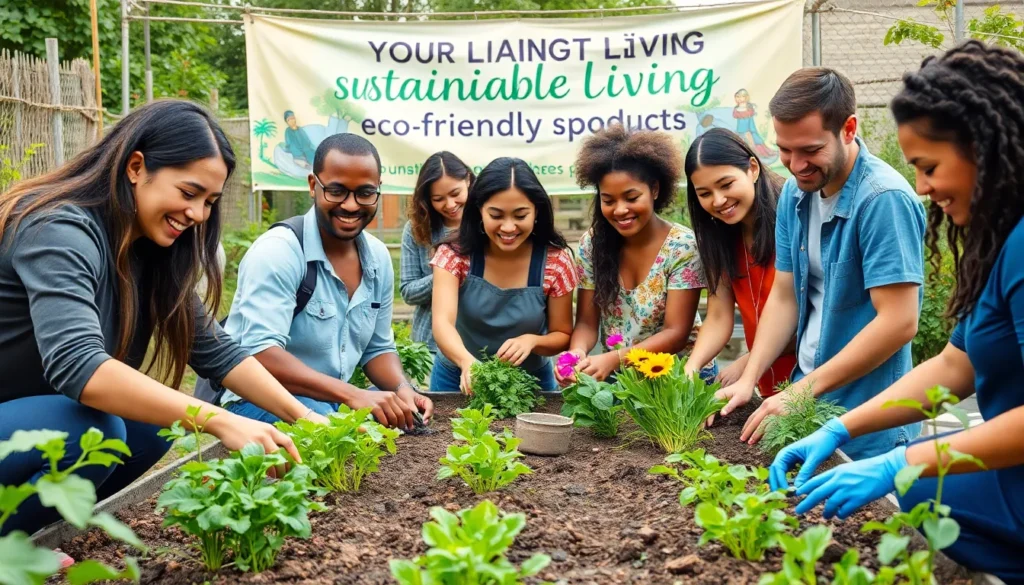
In a world where plastic straws are the new villains and eco-friendly is the new black, Unilever’s Sustainable Living Plan shines like a superhero cape. This ambitious initiative isn’t just about saving the planet; it’s about making sustainable living accessible and downright appealing. Who knew saving the Earth could come with a side of ice cream and shampoo?
Overview of Unilever Sustainable Living Plan
Unilever’s Sustainable Living Plan fosters eco-friendly practices that respond to growing concerns about plastic waste. The initiative’s goal encompasses making sustainable living attractive and accessible, transforming environmental responsibility into an enjoyable experience. By integrating sustainability into their product lines, Unilever demonstrates commitment to both the environment and consumers’ needs.
Three main pillars underpin the Sustainable Living Plan: improving health and well-being, reducing environmental impact, and enhancing livelihoods. The first pillar focuses on promoting healthier lifestyles through products like nutritious food items and personal care solutions.
The second pillar addresses reduction targets. Unilever aims to halve the environmental footprint of its products by 2030. This dedication includes reducing water usage, greenhouse gas emissions, and plastic waste throughout product lifecycles. Unilever also commits to making all plastic packaging recyclable, reusable, or compostable by 2025.
With regard to livelihoods, the plan supports fair trade and ethical sourcing practices. Unilever partners with suppliers to ensure fair labor practices and living wages. This collaboration not only benefits the workforce but also strengthens supply chains, promoting resilience.
Unilever’s Sustainable Living Plan represents a comprehensive approach to business. The company strives to prove that profitability and sustainability can co-exist. Through innovation and transparency, Unilever invites consumers to join them in pursuing a more sustainable future.
Key Objectives

Unilever’s Sustainable Living Plan outlines crucial goals to make positive impacts on the planet and society. These objectives encompass reducing environmental impact, enhancing health and well-being, and promoting livable wages.
Reducing Environmental Impact
Aiming to halve its environmental footprint by 2030, Unilever focuses on sustainable practices. The commitment includes making 100% of plastic packaging recyclable, reusable, or compostable by 2025. Investments in renewable energy sources and alternative materials further support this goal. Unilever also seeks to reduce greenhouse gas emissions throughout its product lifecycle. By implementing these measures, the company actively contributes to reducing waste and minimizing carbon emissions.
Enhancing Health and Wellbeing
Emphasizing healthier lifestyles, Unilever promotes nutritious foods and personal care products. The initiative involves improving the nutritional value of its food offerings, with specific targets for salt and sugar reduction. Sustainable sourcing of raw materials ensures product quality and safety. Efforts also include educating consumers about nutrition and wellness. By prioritizing these aspects, Unilever enhances overall health while driving positive change in consumer behavior.
Achievements So Far
Unilever’s Sustainable Living Plan has made significant strides since its inception, showcasing the company’s commitment to environmental and social governance. The initiative has achieved substantial milestones while positively impacting communities across the globe.
Milestones Reached
Unilever reached notable milestones, including a 35% reduction in carbon emissions across its manufacturing sites since 2015. The company also achieved the goal of ensuring all plastic packaging is recyclable, reusable, or compostable by 2025. More than 600 brands now participate in sustainability programs. Several partnerships with NGOs and governmental organizations have emerged, further amplifying Unilever’s reach and effectiveness. Renewable energy sources now power over 50% of production facilities, moving toward a more sustainable future. Continuous progress demonstrates their dedication to integrating sustainable practices at every level.
Impact on Communities
Community impact measures emphasize Unilever’s commitment to improving livelihoods. Over 1.5 million smallholder farmers received training in sustainable agricultural practices. These farming programs boosted income and productivity for numerous families. The initiative also empowered women through leadership and economic opportunities, directly benefiting their communities. Unilever’s commitment to ethical sourcing ensures fair wages for workers, fostering stronger communities. Investment in local health initiatives improved access to hygiene and nutrition education, enhancing overall well-being. These efforts exemplify Unilever’s dedication to creating sustainable change at the grassroots level.
Future Goals
Unilever’s Sustainable Living Plan sets ambitious goals for the future. These targets focus on enhancing environmental sustainability while supporting social equity.
Long-term Vision
Unilever envisions a future where sustainable living is the norm rather than the exception. The company aims to integrate sustainability into every aspect of its business by 2030, striving for carbon-neutral operations and a significant reduction in water usage. By ensuring that all products are made from renewable or recycled materials, Unilever promotes a circular economy. Collaboration with partners across industries and communities accelerates progress toward these long-term objectives.
Innovations and Initiatives
Innovative approaches feature prominently in Unilever’s strategy. The company invests in breakthrough technologies to develop more sustainable packaging and products. New formats like solid shampoo bars and refill stations reduce reliance on single-use plastics. Initiatives include launching the “Love Beauty and Planet” brand, which focuses on small-scale sustainability efforts. Additionally, Unilever promotes research in sustainable farming practices, supporting farmers and boosting production efficiency. This commitment to innovation makes sustainable choices more accessible for consumers.
Unilever’s Sustainable Living Plan stands as a testament to the company’s commitment to transforming the way business interacts with the environment and society. By focusing on health and well-being environmental impact and livelihoods Unilever not only addresses pressing global challenges but also inspires consumers to embrace sustainability in their daily lives.
The company’s ambitious goals and innovative approaches signal a shift towards a more responsible and inclusive future. As Unilever continues to lead by example it paves the way for others in the industry to follow suit. The journey towards sustainable living is not just a corporate initiative but a collective movement that invites everyone to participate in building a healthier planet for generations to come.