





In a world where the climate’s throwing tantrums like a toddler in a toy store, sustainable living builders are stepping up to save the day—one eco-friendly home at a time. These innovative professionals aren’t just nailing boards together; they’re crafting havens that harmonize with nature, proving that green living doesn’t mean sacrificing style or comfort.
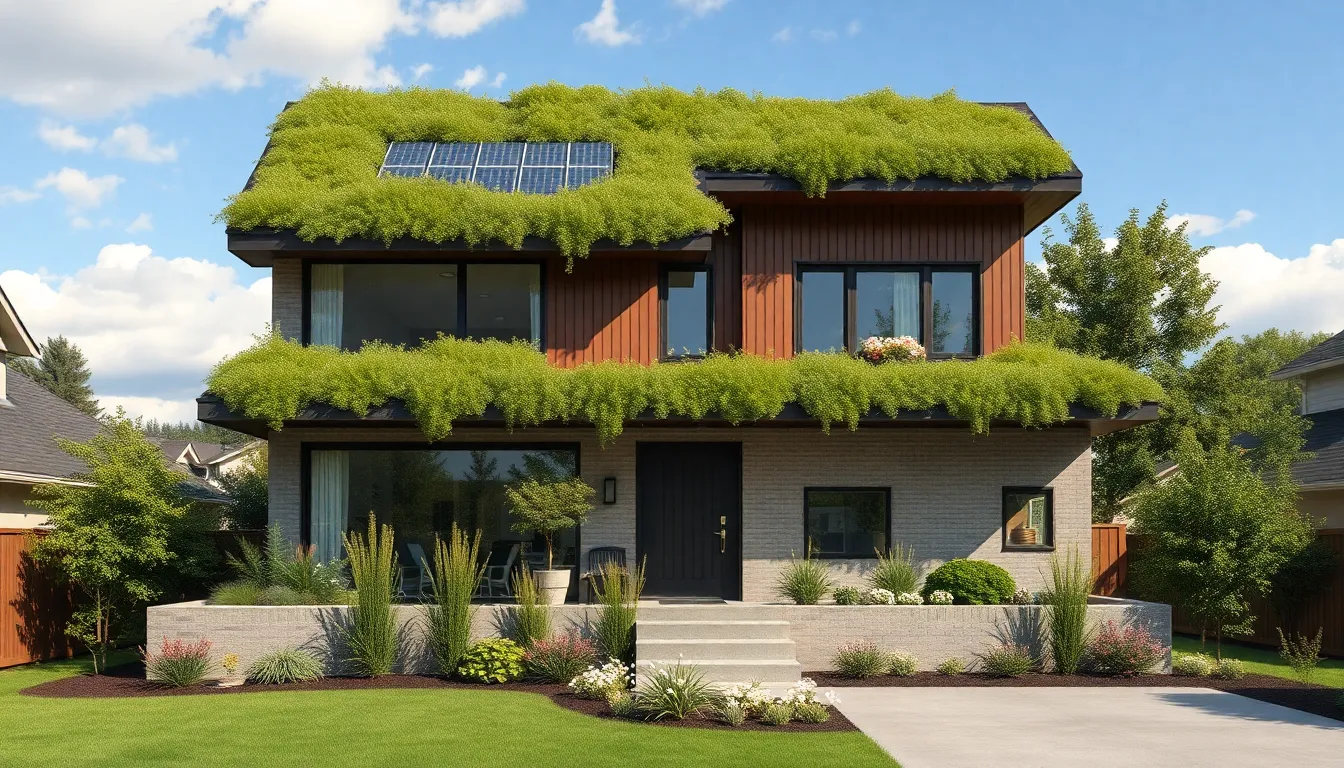
Imagine a home where the roof’s not just a roof but a garden, where energy bills shrink faster than a magician’s rabbit. Sustainable living builders are the wizards behind these transformations, turning dreams of eco-friendly homes into reality. Whether it’s solar panels or recycled materials, they’ve got the magic touch to create spaces that are as kind to the planet as they are to the wallet. Buckle up as we explore the world of sustainable living builders and discover how they’re making eco-conscious living not just a trend, but a lifestyle.
Overview of Sustainable Living Builders
Sustainable living builders play a crucial role in the movement towards environmentally-friendly construction. These professionals prioritize eco-friendly practices while designing and constructing homes. They implement innovative strategies to create spaces that harmonize with the surrounding ecosystem.
Green roofs serve as one key feature, assisting in insulation and reducing stormwater runoff. Solar panels are commonly integrated, allowing homeowners to harness renewable energy for daily use. Recycled materials form another essential component, minimizing waste and lowering the demand for new resources.
Water conservation systems often find a place in their designs as well. Rainwater harvesting systems collect and store water for irrigation and other non-potable uses. Additionally, energy-efficient appliances ensure minimal electrical consumption, further promoting sustainability within households.
Sustainable living isn’t merely a passing trend for these builders; it reflects a commitment to a lifestyle that respects the planet. Homeowners increasingly seek out these constructions for their long-term benefits, such as reduced utility bills and healthier living environments.
Climate change drives the need for more significant shifts in how homes are built and maintained. As a result, sustainable living builders focus on education, helping consumers understand the environmental impacts of their choices. This proactive approach fosters a growing community dedicated to making responsible, eco-conscious decisions.
Benefits of Sustainable Living
Sustainable living offers numerous advantages, both for the environment and individual homeowners.
Environmental Impact
Eco-friendly homes significantly reduce carbon footprints. Builders integrate green roofs to enhance insulation and manage stormwater, effectively improving urban ecosystems. Solar panels generate clean energy, decreasing reliance on fossil fuels. Recycled materials minimize waste in landfills, promoting resource conservation. Water conservation systems, like rainwater harvesting, contribute to sustainable water use, protecting local waterways. Such design features support biodiversity and lower overall environmental degradation, demonstrating a commitment to environmental stewardship.
Economic Advantages
Energy-efficient appliances lead to substantial savings on utility bills. Homeowners benefit from lower energy consumption, creating ongoing monetary advantages. Installing solar panels often results in tax credits, enhancing financial incentives. Additionally, properties built with sustainable materials frequently retain higher market value, appealing to eco-conscious buyers. Long-term maintenance costs decrease due to durable, sustainable construction practices. Investing in sustainable living contributes to the local economy by creating green jobs and promoting eco-friendly businesses, ultimately benefiting communities.
Key Features of Sustainable Living Builders
Sustainable living builders incorporate various innovative elements in their constructions to promote eco-conscious living. Central to their approach are renewable resources and energy-efficient designs that enhance both functionality and environmental impact.
Use of Renewable Resources
Renewable resources play a vital role in sustainable building practices. Builders often utilize solar panels, which convert sunlight into energy, thereby reducing reliance on fossil fuels. Materials sourced from sustainable forests, like bamboo and reclaimed wood, further minimize deforestation. Wind turbines may also supplement power needs, showcasing the versatility in resource use. Rainwater harvesting systems contribute to water sustainability by capturing runoff for reuse. Each of these elements embodies the commitment to environmental stewardship, offering long-term benefits to homeowners.
Energy-Efficient Designs
Energy-efficient designs sit at the forefront of sustainable living. Builders embrace passive solar design, allowing sunlight to naturally heat spaces during winter months. High-performance insulation contributes to temperature regulation, reducing heating and cooling demands. Additionally, double or triple-glazed windows enhance energy retention, minimizing heat loss. Energy-efficient appliances, often included in these homes, lower electricity consumption. Together, these designs create a comfortable living environment while promoting reduced utility costs. Such strategies reinforce the concept of sustainable living, making it an appealing choice for eco-conscious homeowners.
Choosing the Right Sustainable Living Builder
Choosing a sustainable living builder requires careful consideration to ensure alignment with eco-friendly values. Evaluating their experience and practices helps ensure they meet specific sustainable goals.
Questions to Ask
Ask about their experience with sustainable building practices. Inquire about their approach to energy efficiency, specifically regarding materials and technologies used. Understanding their knowledge of renewable energy sources, such as solar panels, offers insight into their commitment to sustainability. Discuss their methods for water conservation, including rainwater harvesting systems and native landscaping. Challenging them on how they measure the environmental impact of their projects will clarify their dedication to eco-conscious living.
Factors to Consider
Consider the builder’s reputation in the sustainable living community. Look for builders who prioritize quality, energy-efficient designs, and material sustainability. Investigate their portfolio to assess previous projects and customer satisfaction. Evaluate their knowledge of local building codes and incentives related to sustainable practices. Geography plays a role; ensure they understand climate-specific challenges and can adapt designs accordingly. Always assess the long-term benefits such as reduced energy bills and property values to reinforce sound investment choices.
Success Stories in Sustainable Living
Sustainable living builders showcase success stories that inspire communities. One notable project is the EcoVillage in Ithaca, New York. Comprising 100 homes, the EcoVillage emphasizes energy efficiency through passive solar design and natural materials. Residents often report reduced utility costs, enhancing their quality of life while minimizing environmental footprints.
Another remarkable example is the construction of the Dwell Home in Canada. Crafted with cross-laminated timber and equipped with a green roof, this home integrates seamlessly into its forested surroundings. Owners enjoy the shade provided by the roof, which also aids in managing stormwater runoff effectively.
Thousands of families have embraced the benefits of solar energy through the Solar Neighborhood Initiative in California. By collaborating with sustainable builders, they installed solar panels on every roof, generating clean energy and fostering a sense of community among homeowners. Cost savings on electricity bills often allow families to allocate funds towards other pressing needs.
In the UK, the BedZED eco-community stands out with its commitment to sustainability. This purpose-built neighborhood utilizes innovative waste and energy reduction strategies. Residents benefit from amenities that promote a healthy lifestyle, including community gardens and public transport options within walking distance.
Moreover, the Living Building Challenge showcases projects pushing the boundaries of sustainability. These structures must meet stringent criteria, like net-zero energy or water use. Participating builders often report heightened interest from environmentally conscious buyers eager to support fully sustainable homes.
Each of these success stories highlights different measures for promoting sustainable living. They reflect a growing shift towards eco-friendly homes, emphasizing community-building and responsible resource use.
Sustainable living builders are paving the way for a greener future. By integrating eco-friendly practices into their construction methods they not only enhance the quality of life for homeowners but also contribute to the health of the planet. The innovative features they incorporate serve as a testament to their commitment to sustainability.
Homeowners who choose these builders invest in a lifestyle that prioritizes energy efficiency and environmental responsibility. As awareness of climate change grows the demand for sustainable homes will continue to rise. This shift reflects a collective desire for a harmonious relationship with nature while enjoying the benefits of modern living. Embracing sustainable living is more than a trend; it’s a vital step toward a healthier and more sustainable world.